
Understanding the Rise of Early Heart Attacks in India
Heart disease is often associated with older age, but heart attacks are increasingly becoming a concern among younger adults in India. People in their 30s and 40s may also experience serious heart-related problems, making awareness and preventive healthcare important at every age.
Changing lifestyles, unhealthy eating habits, physical inactivity, tobacco use, stress and conditions such as diabetes and high blood pressure can contribute to cardiovascular risk. Understanding these factors can help individuals take informed steps towards better heart health.
What Is an Early Heart Attack?
A heart attack, medically known as myocardial infarction, occurs when blood flow to a part of the heart muscle becomes severely reduced or blocked. This commonly happens due to the buildup of fatty deposits in the coronary arteries.
When the heart muscle does not receive enough oxygen-rich blood, it can become damaged. Although the risk generally increases with age, younger adults are not completely protected from heart disease.
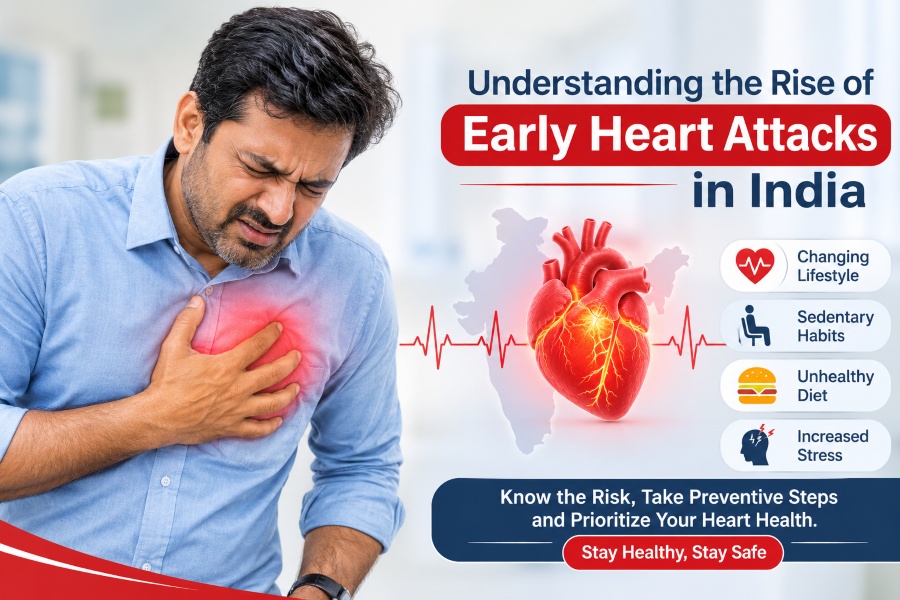
Why Are Heart Attacks Becoming a Concern Among Younger Adults?
Several lifestyle and health-related factors may contribute to cardiovascular problems at a younger age.
1. Sedentary Lifestyle
Long working hours, desk jobs and limited physical activity can contribute to weight gain, poor cardiovascular fitness and increased risk of heart disease.
2. Unhealthy Eating Habits
Frequent consumption of processed foods, excessive salt, sugary drinks and foods high in unhealthy fats can contribute to high cholesterol, obesity and high blood pressure.
3. Increasing Diabetes and High Blood Pressure
Diabetes and hypertension can damage blood vessels over time and increase the risk of cardiovascular complications. These conditions may remain unnoticed without regular health monitoring.
4. Smoking and Tobacco Consumption
Smoking and tobacco use can damage blood vessels, affect circulation and increase the risk of heart attacks, including among younger individuals.
5. Chronic Stress and Poor Sleep
Prolonged stress and inadequate sleep can affect blood pressure, lifestyle habits and overall cardiovascular health.
6. Family History and Genetic Factors
Individuals with a family history of premature heart disease may have an increased risk. Such individuals should discuss appropriate screening and preventive measures with a qualified doctor.
Common Warning Signs of a Heart Attack
Recognising the symptoms of a heart attack is important, especially because symptoms may differ from person to person. Some common warning signs include:
- Chest pain, pressure, tightness or discomfort.
- Pain spreading to the arms, shoulders, back, neck or jaw.
- Shortness of breath.
- Unusual sweating or cold sweats.
- Nausea or vomiting.
- Dizziness or lightheadedness.
- Unusual fatigue or weakness.
If someone experiences symptoms that may indicate a heart attack, seek emergency medical assistance immediately. Do not wait for symptoms to disappear or attempt to drive yourself to the hospital. Early medical assessment and treatment are important.
How Can You Reduce the Risk of Early Heart Attacks?
Although some risk factors, such as age and family history, cannot be changed, several lifestyle measures can help support cardiovascular health.
1. Stay Physically Active
Include regular physical activity in your daily routine. Walking, cycling and other suitable exercises can support heart health.
2. Follow a Balanced Diet
Include fruits, vegetables, whole grains, pulses and other nutritious foods. Limit excess salt, added sugar and foods high in unhealthy fats.
3. Monitor Blood Pressure and Blood Sugar
Regular monitoring can help identify hypertension and diabetes, which may increase cardiovascular risk.
4. Avoid Smoking and Tobacco
Avoid smoking and tobacco products. Seek professional support if you need help quitting.
5. Manage Stress and Maintain Healthy Sleep Habits
Make time for adequate sleep, relaxation and healthy daily routines.
6. Discuss Your Family History With Your Doctor
If close family members have experienced heart disease at a younger age, discuss your personal risk and appropriate screening with a healthcare professional.
Why Are Regular Heart Health Check-ups Important?
Heart-related risk factors such as high blood pressure, elevated blood sugar and abnormal cholesterol levels may not produce noticeable symptoms in their early stages. A doctor may recommend appropriate investigations based on an individual's age, medical history, symptoms and risk factors. These may include:
- Blood Pressure Measurement
- Blood Sugar Testing
- Lipid Profile
- ECG (Electrocardiography)
- 2D ECHO, when clinically indicated
- Treadmill Test (TMT), when clinically indicated
Not everyone requires all these tests. The choice of investigations should be based on medical assessment and individual needs.
Conclusion
Early heart attacks are an important public health concern. Younger adults should not assume that heart disease is only associated with old age. Awareness of risk factors, recognition of warning signs, healthy lifestyle choices and timely medical consultation can help reduce cardiovascular risks. Taking care of your heart should be a part of everyday life, not just something to consider when health problems arise.
At Sawarkar Multispeciality Critical Care Hospital, Nagpur, cardiac consultation and diagnostic facilities include ECG, Computerized Treadmill Test (TMT) and 2D ECHO / Colour Doppler. Individuals experiencing heart-related symptoms should seek appropriate medical evaluation.