
Diabetes: Understanding Symptoms, Causes and Risk Factors
Diabetes is a chronic health condition that affects how the body regulates blood sugar (glucose). It occurs when the body does not produce enough insulin or cannot use insulin effectively. Insulin is a hormone produced by the pancreas that helps glucose enter the body's cells to provide energy.
Diabetes is a growing public health concern in India. Many people may have elevated blood sugar levels without experiencing noticeable symptoms, particularly during the early stages of Type 2 diabetes. Understanding its symptoms, causes and risk factors is important for early diagnosis and appropriate medical care.
What Is Diabetes?
Diabetes mellitus is a condition in which blood glucose levels remain higher than normal due to problems with insulin production or insulin function. When glucose cannot enter the body's cells effectively, it accumulates in the bloodstream. If blood sugar remains elevated over a long period, it can affect several organs, including the heart, kidneys, eyes, nerves and blood vessels.
What Are the Different Types of Diabetes?
Diabetes is generally classified into three main types.
1. Type 1 Diabetes
Type 1 diabetes is an autoimmune condition in which the body's immune system attacks the insulin-producing cells of the pancreas. As a result, the body produces little or no insulin. People with Type 1 diabetes require insulin treatment to manage the condition.
2. Type 2 Diabetes
Type 2 diabetes is the most common form of diabetes. It develops when the body becomes resistant to insulin or does not produce enough insulin to maintain normal blood glucose levels. Factors such as family history, excess body weight, physical inactivity and ageing can contribute to its development.
3. Gestational Diabetes
Gestational diabetes develops during pregnancy when blood glucose levels become higher than normal. It requires appropriate medical monitoring because it can affect both maternal and child health. Women who experience gestational diabetes may also have an increased risk of developing Type 2 diabetes later in life.
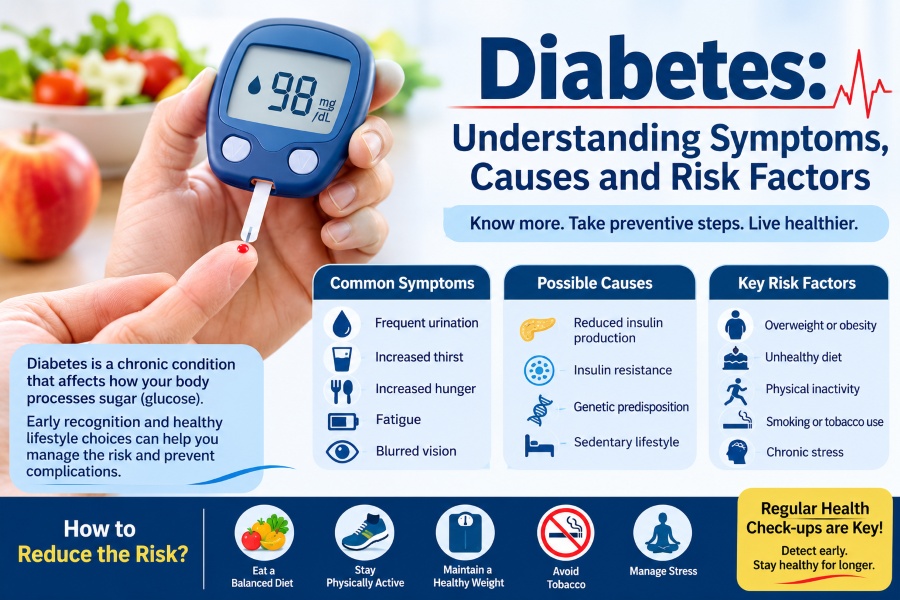
Common Symptoms of Diabetes
The symptoms of diabetes can develop gradually, and some individuals may not experience noticeable symptoms initially. Common warning signs include:
- Frequent Urination: Passing urine more often than usual.
- Excessive Thirst: Feeling unusually thirsty throughout the day.
- Increased Hunger: Experiencing frequent hunger even after eating.
- Unexplained Weight Loss: Losing weight without intentional changes in diet or exercise.
- Persistent Fatigue: Feeling unusually tired or lacking energy.
- Blurred Vision: Experiencing changes in eyesight.
- Slow Wound Healing: Cuts, wounds or injuries taking longer to heal.
- Frequent Infections: Repeated skin or urinary tract infections.
- Tingling or Numbness: Experiencing unusual sensations in the hands or feet.
Not everyone with diabetes experiences these symptoms. Type 2 diabetes, in particular, may remain unnoticed for several years.
What Are the Causes and Risk Factors of Diabetes?
Diabetes does not have a single cause. Its development depends on the type of diabetes and a combination of genetic, metabolic and lifestyle-related factors. Some important risk factors include:
1. Family History
Having parents or close family members with diabetes may increase an individual's likelihood of developing the condition.
2. Overweight and Obesity
Excess body weight, particularly around the waist, can contribute to insulin resistance and increase the risk of Type 2 diabetes.
3. Physical Inactivity
A sedentary lifestyle and limited physical activity can affect how effectively the body uses insulin.
4. Unhealthy Eating Habits
Frequent consumption of highly processed foods, excess added sugar and foods high in unhealthy fats can contribute to weight gain and metabolic health problems.
5. Increasing Age
The risk of Type 2 diabetes generally increases with age, although it can also occur in younger adults and children.
6. High Blood Pressure and Abnormal Cholesterol
Hypertension and abnormal blood lipid levels are commonly associated with metabolic and cardiovascular risk.
How Is Diabetes Diagnosed?
Diabetes can be identified through blood glucose tests. A doctor may recommend one or more of the following investigations depending on the individual's symptoms and medical history.
1. Fasting Blood Sugar (FBS)
Measures blood glucose levels after an overnight fast.
2. Postprandial Blood Sugar (PPBS)
Measures blood glucose levels after a meal, usually two hours after eating.
3. HbA1c Test
Measures the average blood glucose level over approximately the previous two to three months. It helps assess long-term blood sugar control.
4. Oral Glucose Tolerance Test (OGTT)
Evaluates how the body processes glucose after consuming a prescribed glucose solution.
The doctor interprets the results using established diagnostic criteria. Sometimes, a repeat test is required to confirm the diagnosis.
What Health Complications Can Diabetes Cause?
If blood glucose levels remain uncontrolled over time, diabetes can affect different organs and body systems. Some possible complications include:
- Heart Disease: Increased risk of heart attacks and other cardiovascular conditions.
- Kidney Problems: Damage to the kidneys, potentially leading to chronic kidney disease.
- Eye Problems: Damage to retinal blood vessels, known as diabetic retinopathy.
- Nerve Damage: Tingling, numbness or pain, particularly in the hands and feet.
- Diabetic Foot Problems: Poor circulation and nerve damage can contribute to foot ulcers and infections.
- Stroke: Increased risk of cardiovascular and cerebrovascular complications.
Regular medical monitoring and appropriate diabetes management can help reduce the risk of these complications.
How Can You Reduce the Risk of Type 2 Diabetes?
Although Type 1 diabetes cannot currently be prevented, certain lifestyle changes can help prevent or delay the development of Type 2 diabetes. Here are some important preventive measures:
1. Follow a Balanced Diet
Include vegetables, fruits, whole grains, pulses and other nutritious foods in your daily meals. Limit excess sugar and highly processed foods.
2. Stay Physically Active
Include regular walking, cycling or other suitable physical activities in your routine.
3. Maintain a Healthy Body Weight
Maintaining a healthy weight can help improve insulin sensitivity and metabolic health.
4. Monitor Blood Sugar Levels
Individuals with diabetes risk factors should discuss appropriate blood glucose screening with their doctor.
5. Avoid Tobacco
Avoid smoking and other tobacco products to support overall metabolic and cardiovascular health.
6. Attend Regular Health Check-ups
Periodic medical assessments can help identify changes in blood sugar levels and other associated health conditions.
Why Is Diabetic Foot Care Important?
Diabetes can affect the nerves and blood circulation in the feet. This may reduce sensation, making it difficult to notice minor injuries, cuts or blisters. People living with diabetes should:
- Check their feet regularly for cuts, swelling or wounds.
- Maintain proper foot hygiene.
- Wear comfortable and properly fitting footwear.
- Avoid walking barefoot.
- Consult a doctor if they notice wounds, infections or changes in foot sensation.
Regular foot examinations are an important part of diabetes care.
Conclusion
Diabetes is a long-term health condition that requires awareness, regular monitoring and appropriate medical management. Recognising its symptoms, understanding the associated risk factors and making healthy lifestyle choices can help individuals take better care of their health. Do not ignore warning signs such as excessive thirst, frequent urination, unexplained weight loss or persistent fatigue. Timely medical consultation and appropriate investigations can help identify diabetes and guide further care.
At Sawarkar Multispeciality Critical Care Hospital, Nagpur, diabetes-related healthcare services include medical consultation, blood sugar testing, HbA1c testing, urine microalbumin estimation, dietary consultation and diabetic foot examination. Individuals can consult a qualified medical professional for evaluation and guidance based on their health needs.